Share Hazard, Risk and Vulnerability Assessment on FacebookShare Hazard, Risk and Vulnerability Assessment on TwitterShare Hazard, Risk and Vulnerability Assessment on LinkedinEmail Hazard, Risk and Vulnerability Assessment link
To keep improving how we make decisions, understand community vulnerabilities, and mitigate emergency risks and hazards, the Halifax Regional Municipality Emergency Management Division is conducting a Hazard, Risk and Vulnerability Assessment (HRVA), starting spring 2023.
Divided into four phases, the HRVA program will establish profiles and recommendations for action for each of the municipality’s districts. Informed through comprehensive public engagement, these profiles will increase our understanding of human-, natural- or conflict-caused hazards that exist and how they increase community vulnerability. The recommendations will then be put into use and adapted based on continual review of HRVA profiles.
Review the About the HRVAtab below and various resources available under the Documents tab to learn more about the HRVA.
How can I contribute to the HRVA?
The easiest way to contribute to the HRVA is contribute to our online survey.
The information residents and related stakeholders have to offer about the potential hazards and risks that may increase the vulnerability of our communities is vital to the HRVA process.
Please note that the district engagement sessions for Phase 2 of the Hazard, Risk and Vulnerability Assessment have concluded. You can still provide input in the process by completing the HRVA Survey linked here.
The recording of the virtual public engagement session is now available on Shape Your City. You can view the recording, including a Q&A period, through here.
To keep improving how we make decisions, understand community vulnerabilities, and mitigate emergency risks and hazards, the Halifax Regional Municipality Emergency Management Division is conducting a Hazard, Risk and Vulnerability Assessment (HRVA), starting spring 2023.
Divided into four phases, the HRVA program will establish profiles and recommendations for action for each of the municipality’s districts. Informed through comprehensive public engagement, these profiles will increase our understanding of human-, natural- or conflict-caused hazards that exist and how they increase community vulnerability. The recommendations will then be put into use and adapted based on continual review of HRVA profiles.
Review the About the HRVAtab below and various resources available under the Documents tab to learn more about the HRVA.
How can I contribute to the HRVA?
The easiest way to contribute to the HRVA is contribute to our online survey.
The information residents and related stakeholders have to offer about the potential hazards and risks that may increase the vulnerability of our communities is vital to the HRVA process.
Please note that the district engagement sessions for Phase 2 of the Hazard, Risk and Vulnerability Assessment have concluded. You can still provide input in the process by completing the HRVA Survey linked here.
The recording of the virtual public engagement session is now available on Shape Your City. You can view the recording, including a Q&A period, through here.
Share About the HRVA process on FacebookShare About the HRVA process on TwitterShare About the HRVA process on LinkedinEmail About the HRVA process link
In collaboration with the municipality’s Environment & Climate Change team, Halifax Regional Municipality’s Emergency Management Division is implementing a holistic Hazard, Risk and Vulnerability Assessment (HRVA) to better understand community and critical infrastructure vulnerability and resilience.
Climate change continues to affect our environment, including extreme weather events. Halifax continues to grow rapidly in both industrial and residential areas, therefore we need a full understanding of how to mitigate and prepare for potential extreme hazards to increase individual, community and infrastructure resiliency. Developing a structure for an in-depth analysis that will assess community vulnerability from a wide spectrum including the physical, social, economic and cultural impacts, will help the municipality better prepare for natural and human caused emergencies and disasters.
HRVA defined
An HRVA is a multi-dimensional process that identifies the likelihood and severity of consequences experienced during an emergency event by assessing potential hazards, likelihood, physical, social, economic, and cultural vulnerabilities and impacts.
HRVA Key benefits
Emergency planning: effective emergency management plans must be supported by an HRVA.
Resource allocation: the HRVA will make recommendations to outline priorities based on risk mitigation and preparedness initiatives.
Public education: through the engagement process, community leaders and invitations to the general public will help educate and engage broader communities, increasing awareness and in turn awareness.
Support for services: for municipal operations that may require risk assessments for specific programs, parts of the HRVA will be made available for internal municipal use. Certain aspects of the HRVA may also be made public to help promote awareness and personal preparedness.
Business continuity planning: the HRVA will be available for municipal operations and services to help better inform their business continuity processes in the event of an emergency.
Collaborative processes: the HRVA serves as a platform for collaboration between different stakeholders in support of response, preparedness, mitigation and community recovery.
HRVA process
The HRVA process is an assessment of the following:
Potential hazards: sources of harm to human health, infrastructure, and natural environment, and social vulnerabilities.
Risks: severity and possibility of impacts.
Vulnerabilities: conditions that may be influenced by physical, social, economic, cultural, and environmental factors which increase the impacts of a hazard on a community.
Impacts: identifying potential consequences on individuals, community, businesses and natural and economic resources.
Resiliency planning: Identifying mitigation strategies to help the municipality and its communities be better prepared and resilient to the identified hazards. This includes future identification and preparedness of potential risks and hazards.
For complete details about the municipality’s HRVA process, read the staff report and other resources available in the Documents section of our project page (such as the Project Primer). If you have any questions, please contact us.
In collaboration with the municipality’s Environment & Climate Change team, Halifax Regional Municipality’s Emergency Management Division is implementing a holistic Hazard, Risk and Vulnerability Assessment (HRVA) to better understand community and critical infrastructure vulnerability and resilience.
Climate change continues to affect our environment, including extreme weather events. Halifax continues to grow rapidly in both industrial and residential areas, therefore we need a full understanding of how to mitigate and prepare for potential extreme hazards to increase individual, community and infrastructure resiliency. Developing a structure for an in-depth analysis that will assess community vulnerability from a wide spectrum including the physical, social, economic and cultural impacts, will help the municipality better prepare for natural and human caused emergencies and disasters.
HRVA defined
An HRVA is a multi-dimensional process that identifies the likelihood and severity of consequences experienced during an emergency event by assessing potential hazards, likelihood, physical, social, economic, and cultural vulnerabilities and impacts.
HRVA Key benefits
Emergency planning: effective emergency management plans must be supported by an HRVA.
Resource allocation: the HRVA will make recommendations to outline priorities based on risk mitigation and preparedness initiatives.
Public education: through the engagement process, community leaders and invitations to the general public will help educate and engage broader communities, increasing awareness and in turn awareness.
Support for services: for municipal operations that may require risk assessments for specific programs, parts of the HRVA will be made available for internal municipal use. Certain aspects of the HRVA may also be made public to help promote awareness and personal preparedness.
Business continuity planning: the HRVA will be available for municipal operations and services to help better inform their business continuity processes in the event of an emergency.
Collaborative processes: the HRVA serves as a platform for collaboration between different stakeholders in support of response, preparedness, mitigation and community recovery.
HRVA process
The HRVA process is an assessment of the following:
Potential hazards: sources of harm to human health, infrastructure, and natural environment, and social vulnerabilities.
Risks: severity and possibility of impacts.
Vulnerabilities: conditions that may be influenced by physical, social, economic, cultural, and environmental factors which increase the impacts of a hazard on a community.
Impacts: identifying potential consequences on individuals, community, businesses and natural and economic resources.
Resiliency planning: Identifying mitigation strategies to help the municipality and its communities be better prepared and resilient to the identified hazards. This includes future identification and preparedness of potential risks and hazards.
For complete details about the municipality’s HRVA process, read the staff report and other resources available in the Documents section of our project page (such as the Project Primer). If you have any questions, please contact us.
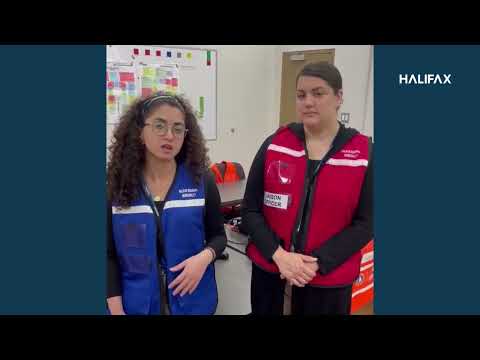
Click here to play video
Learn more about the HRVA.
Click here to play video
December 6, 2023 Virtual Public Engagement Session
This video is a recording of the December 6, 2023 Virtual Public Engagement Session for the Hazard, Risk and Vulnerability Assessment. This video includes the presentation and Q&A period.
Hazard, Risk and Vulnerability Assessment has finished this stage
Spring 2023. This phase includes developing work plan, engagement plan, templates and advising Regional Council of process.
Phase two: data collection
Hazard, Risk and Vulnerability Assessment is currently at this stage
Summer through fall 2023. This phase involves engaging with stakeholders and communities to identify hazards, collect datasets, complete profiles prioritize risks and identify mitigation strategies.
Phase three: implementation planning
this is an upcoming stage for Hazard, Risk and Vulnerability Assessment
Starting after data collection and includes public review and Regional Council approval of HRVAs for each district and development of implementation plan and recommended actions.
Phase four: community action
this is an upcoming stage for Hazard, Risk and Vulnerability Assessment
Following Regional Council approval of HRVAs, this phase will begin implementation of HRVA related activities, including continous review of the HRVA process.